Our slips start in a laboratory, not a field. Tissue culture allows us to multiply true-to-type planting material under controlled conditions before it moves through hardening and nursery propagation.
The laboratory and nursery operate as one production line—from documented foundation material and micropropagation to hardened plants and commercial-scale G1 slips.
In 2026, SPI became the first Egyptian company to export G1 sweetpotato slips to the European Union.
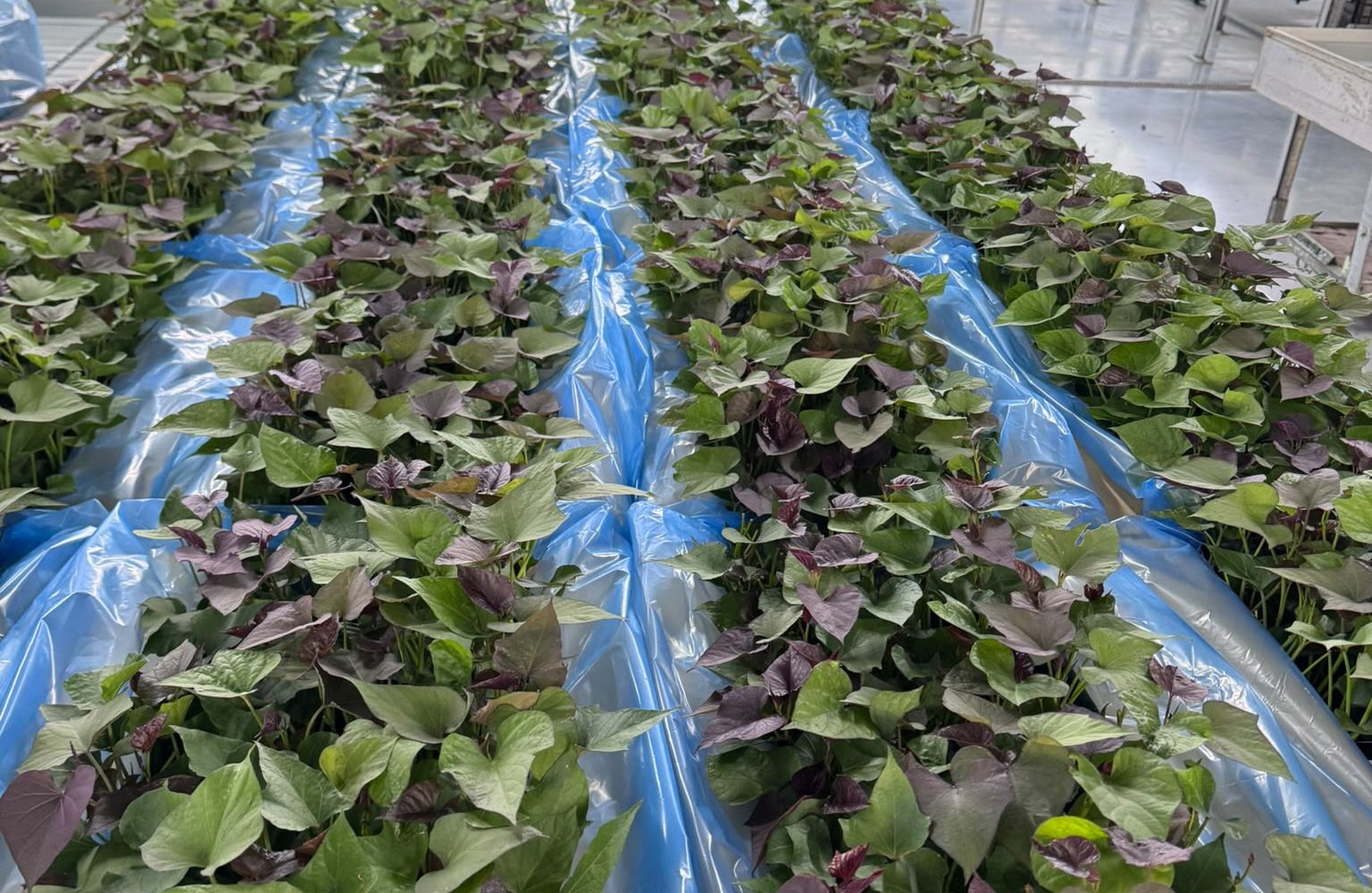
Tissue culture helps us maintain varietal identity and produce uniform starting material. Selected mother plants are tested under defined screening protocols and multiplied under sterile conditions before moving through rooting and hardening.
Each batch is recorded by variety and propagation history from culture through hardening and nursery production.
Plants selected against variety specifications and tested under the applicable virus-screening protocol.
Clonal multiplication under sterile conditions, with light and temperature managed through the process.
Plantlets rooted and prepared for transfer from the laboratory to hardening.
Gradually acclimatised to nursery light and humidity conditions inside insect-protected tunnels.
Commercial batches numbered, with variety, source material and propagation date recorded.
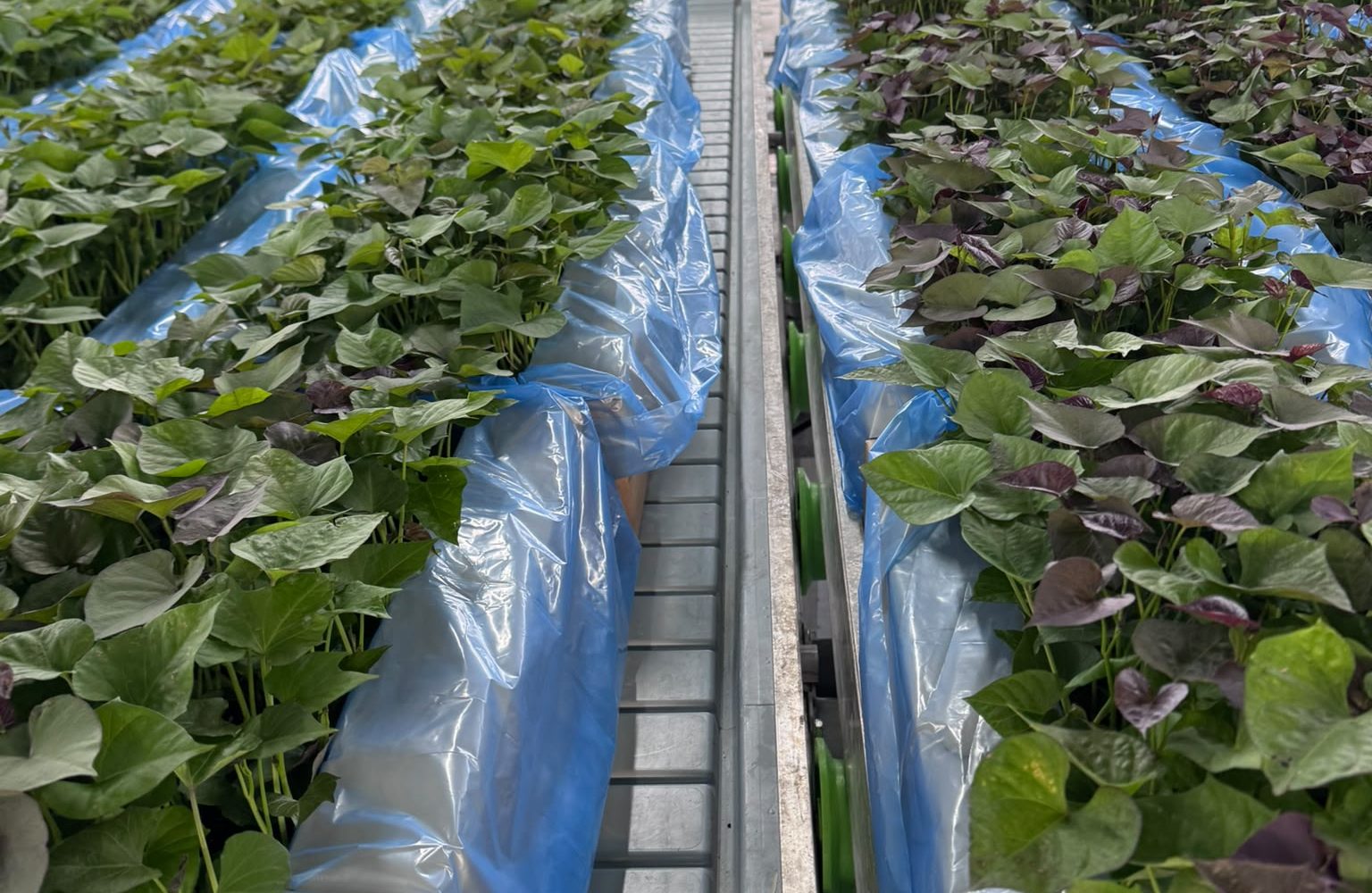
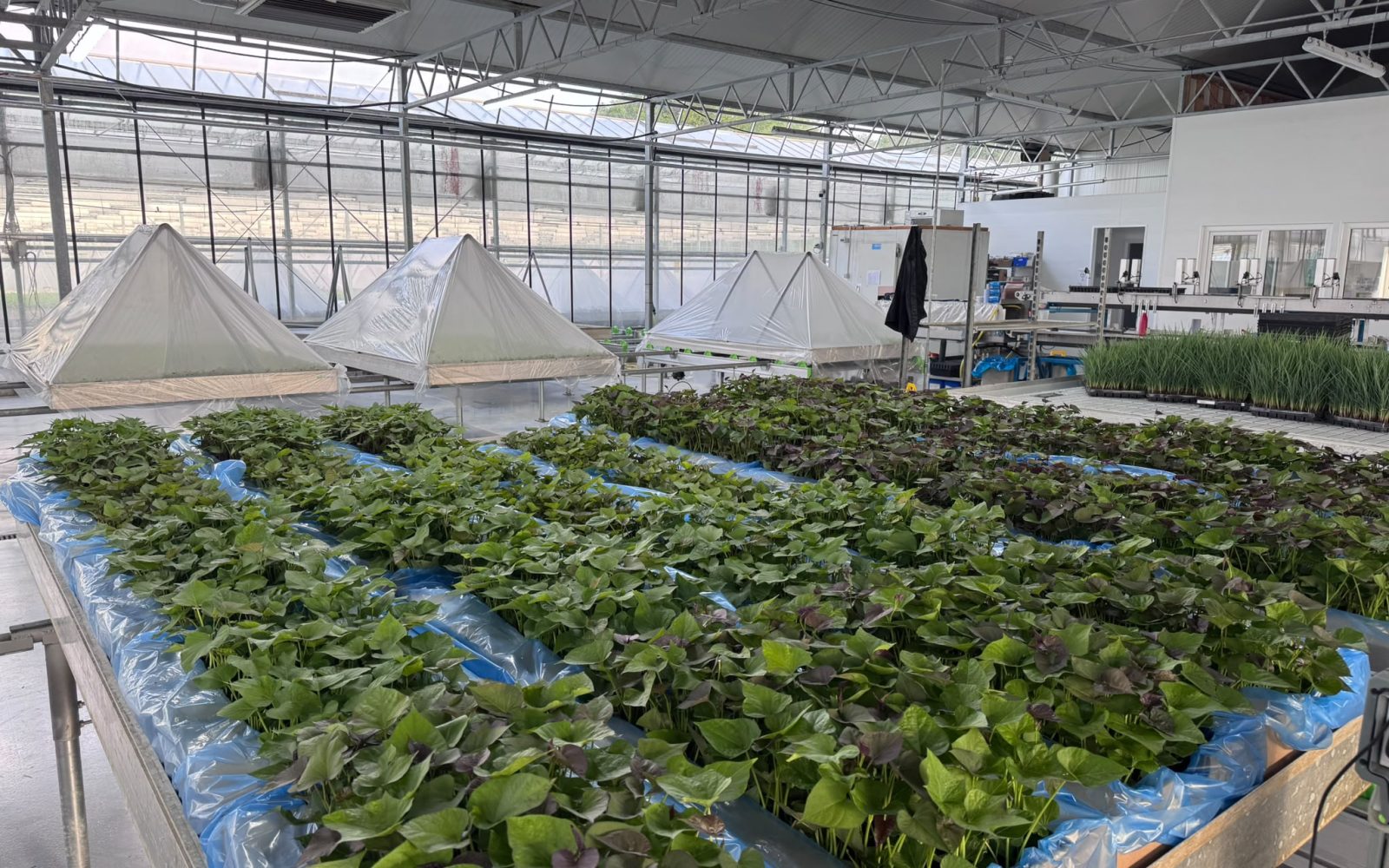
Hardened plants move into mesh-protected glasshouses and grow on propagation tables under managed irrigation and fertigation, with daily monitoring by our agronomy team.
Capacity is organised into separate production units by variety, with dedicated tables, batches and records designed to maintain varietal separation.
The aim is greater consistency at transplanting, giving growers a more uniform starting point for crop establishment.
Order G1 slips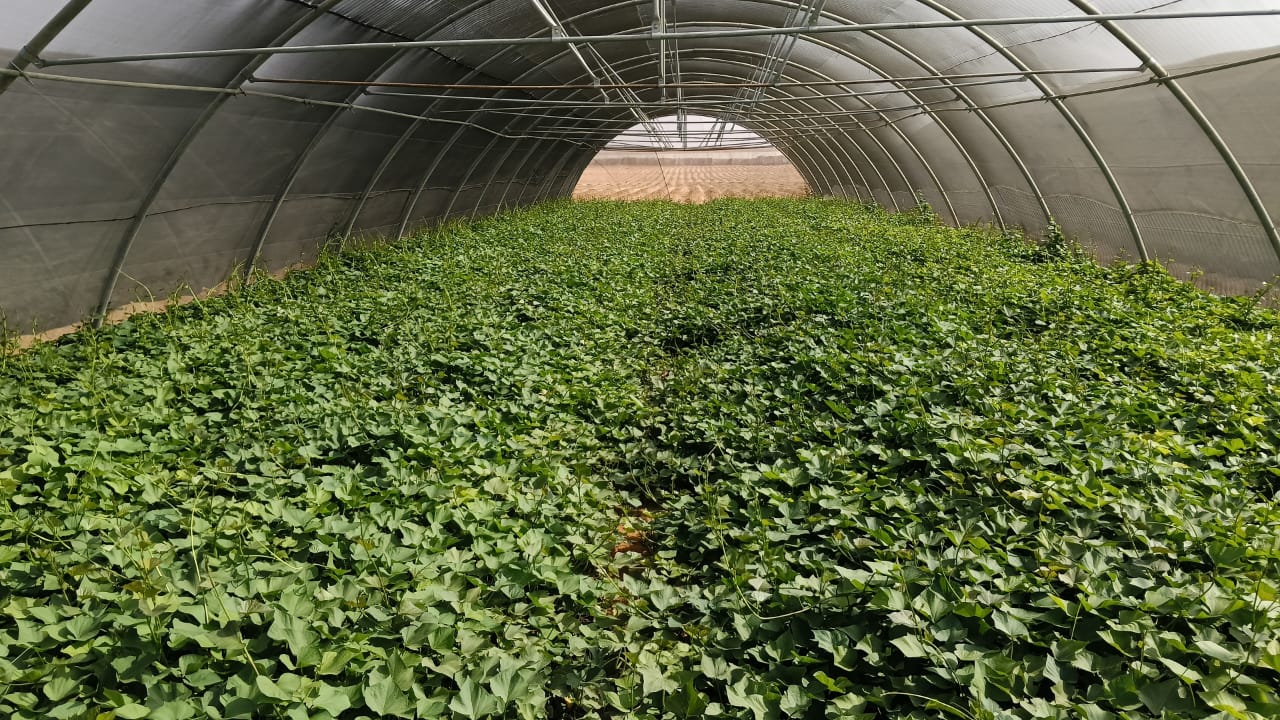
Controlled propagation, managed nursery conditions and batch records work together to support consistent planting material scheduled around the grower’s planting window.
Clonal multiplication under sterile conditions, with variety identity and defined health checks maintained through the process.
Raised, lined propagation beds help reduce exposure to soil-borne contamination and keep roots away from field soil.
Mesh-protected structures reduce exposure of mother stock and hardening plants to insect vectors.
Ventilation, temperature and light managed to support consistent growth through the propagation cycle.
Water and nutrition managed by propagation table and growth stage, with daily monitoring.
Each commercial batch is traceable to its variety, source material and propagation date.
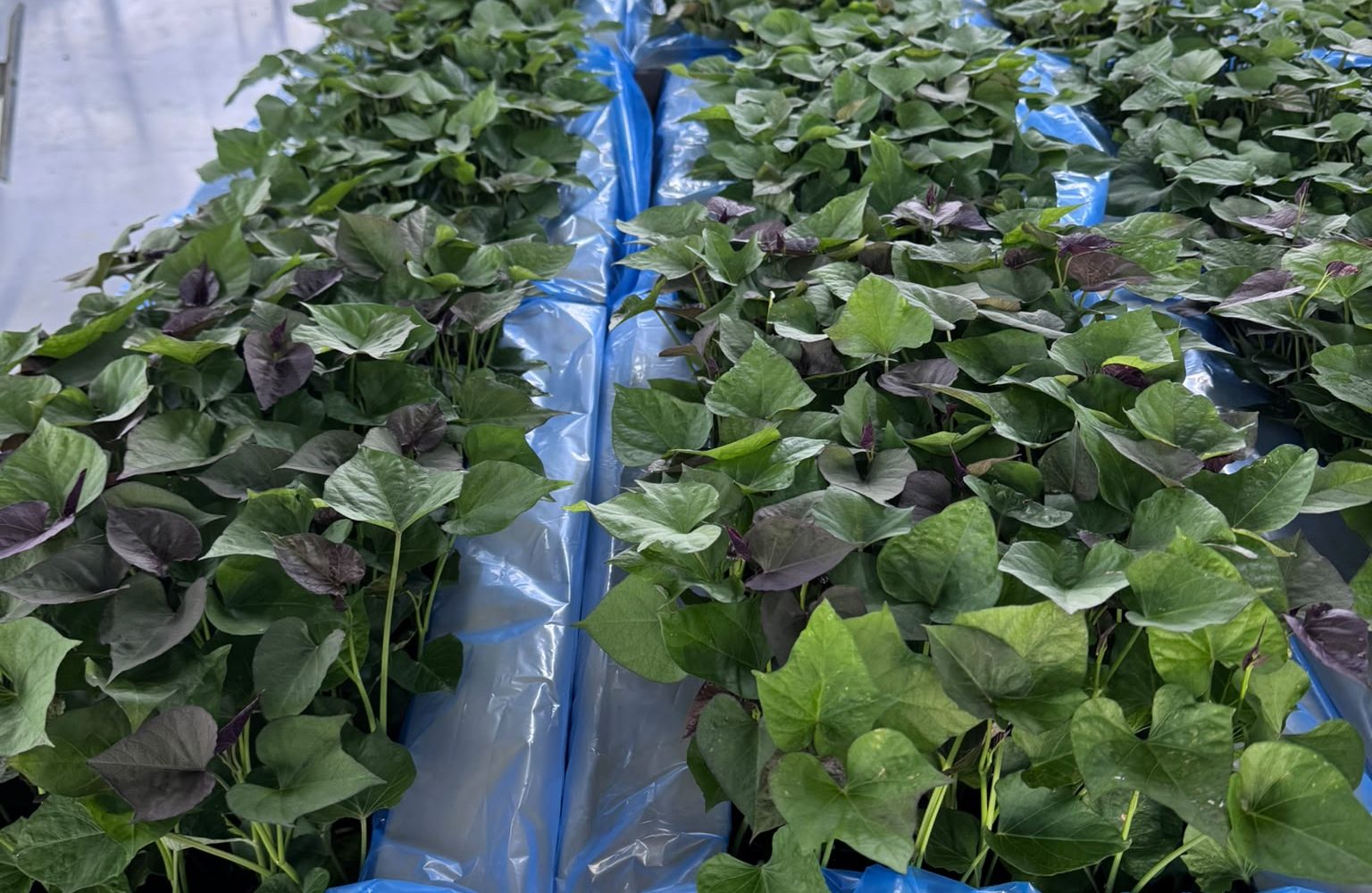
Each commercial batch follows a defined quality check before despatch, covering identity, health records, uniformity, root development and traceability.
Talk to the nursery team about variety, volume and the delivery window that suits your planting programme.