
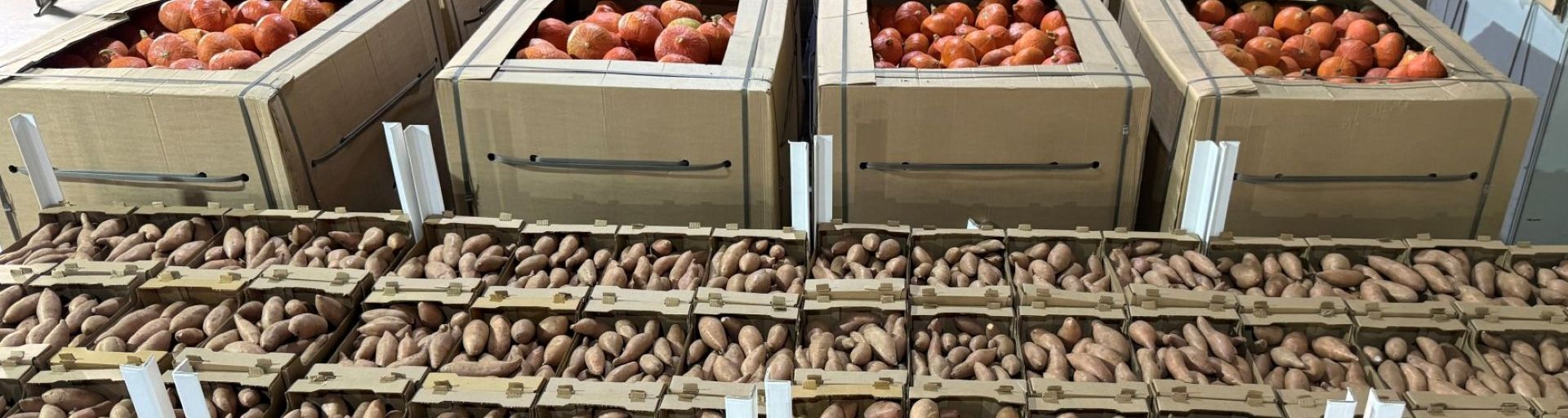
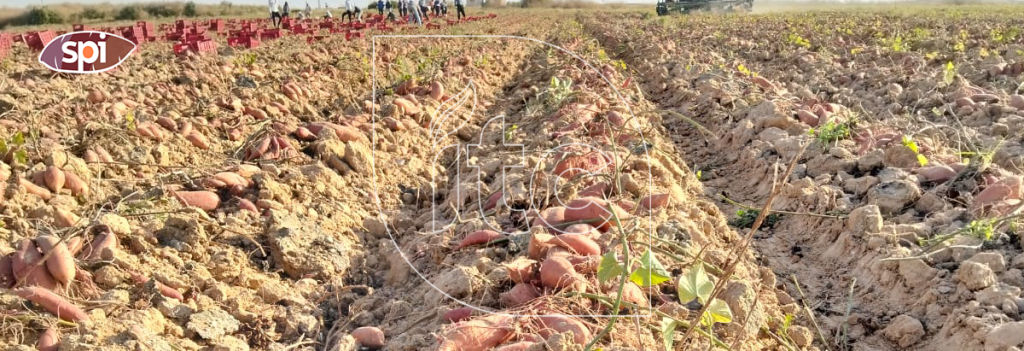
The global sweet potato market is undergoing a quiet, yet profound, revolution. For decades, the supply chain was dictated by seasonality and the unpredictable whims of weather in key producing regions. However, a new player has emerged, armed with advanced technology and a logistical advantage that is fundamentally changing the rules: Egypt.
The North African nation is swiftly transitioning from a regional contender to a top-tier sweet potato supplier on the world stage, offering a level of reliability and quality previously unseen. This transformation is not an overnight success but the result of targeted investment in agricultural infrastructure, from the nursery to the container ship.
The most compelling metric of this seismic shift is the explosion in market reach. Over the past five years, Egyptian producers, leveraging new farming and logistics technologies, have managed to nearly triple their sweet potato supplies to the European Union (EU). This stunning growth figure is more than a momentary spike; it signals a strategic, sustained displacement of older supply sources.
The EU, with its stringent quality demands and high consumption rates, represents the gold standard for fresh produce exports. Egypt’s ability to dominate this market segment highlights a significant leap in its operational capabilities.
Perhaps the greatest innovation is the effective elimination of seasonality. Traditionally, Egypt’s production window spanned just four months. This has now been strategically extended to an impressive eight months through specialized cultivation techniques and careful planning of planting and harvesting cycles.
This expanded harvest window is seamlessly married to sophisticated post-harvest technology:
This year-round availability is a game-changer for European retailers and food processors who need reliable inventory, moving the sweet potato from a “specialty” item to a true staple.
Egypt’s success is built on a foundation of scientific rigor, ensuring premium quality from the very start.
The move away from traditional cuttings has been instrumental. Producers now utilize premium “virus-free seedlings” sourced from advanced, certified nurseries. This crucial step prevents yield-reducing diseases, resulting in a healthier plant, a more uniform crop, and a higher final pack-out yield.
Post-harvest handling has also seen a radical upgrade. Modern packing houses feature state-of-the-art production lines designed for international markets:
Egyptian producers are cultivating what the international market demands. Key varieties, known for their flavor, texture, and visual appeal, are being produced to standard:
Furthermore, Egypt’s geography provides an indispensable advantage: resilience. The country’s agricultural regions rely on reliable irrigation systems—primarily the Nile—which are fundamentally independent of rain. This contrasts sharply with the weather-dependent struggles and drought-induced supply shortages seen in many other growing regions, offering importers a dependable sweet potato supplier even during global climate disruptions.
The final piece of the puzzle is logistics. Egypt’s strategic location, bordering the Mediterranean, gives it a substantial edge over competitors in the Americas. This proximity translates directly into speed and freshness.
Egyptian exporters consistently achieve a remarkable 10-day delivery timeline to virtually any destination within the EU. This rapid transit time reduces freight costs, extends the produce’s shelf life upon arrival, and allows retailers to respond to market demand with unparalleled agility.
In the narrative of industrial evolution, Egypt’s rise as a dominant sweet potato supplier is a clear success story. It demonstrates how a commitment to technological investment, strategic planning, and quality control can shatter traditional seasonal limitations and redefine a global commodity market. For importers seeking consistency, quality, and year-round supply, the future of the orange-fleshed tuber is unequivocally pointing toward the banks of the Nile.
